AI interview scheduling tool for small business
Discover how AI interview scheduling tools for small business automate hiring. Learn how AI recruiting works, saves 23 hours per hire, and improves candidate quality.
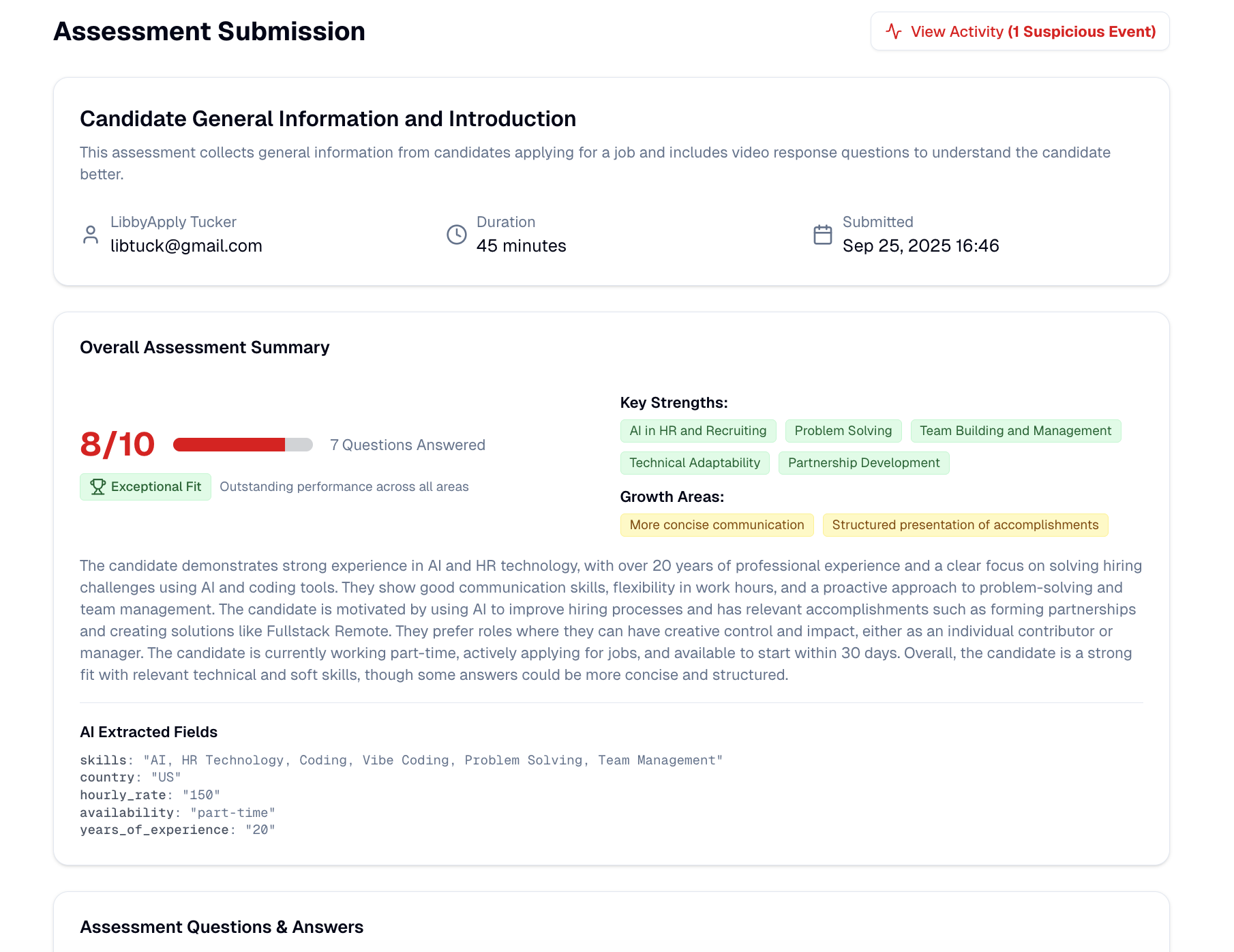
TL;DR: AI recruiting uses artificial intelligence to automate hiring tasks like resume screening, candidate sourcing, and interview scheduling, saving companies an average of 23 hours per hire. AI interview scheduling tools automatically coordinate calendars, communicate with candidates, and book interviews without manual intervention, reducing no-show rates by up to 40%.
What Is AI Recruiting and How Does It Work? The Complete 2025 Guide
AI recruiting is the use of artificial intelligence technology to automate and enhance the hiring process—including candidate sourcing, resume screening, interview scheduling, and predictive analytics. By leveraging machine learning and natural language processing, AI recruiting tools can scan thousands of resumes in seconds, assess candidate fit, conduct initial interviews, and schedule meetings automatically. Companies using AI recruiting save an average of 23 hours per hire while improving quality of hire by 36%, according to recent HR technology research. For small businesses and enterprises alike, AI recruiting offers faster, more data-driven decision-making that reduces unconscious bias and transforms how organizations attract top talent.
What Is AI Recruiting?
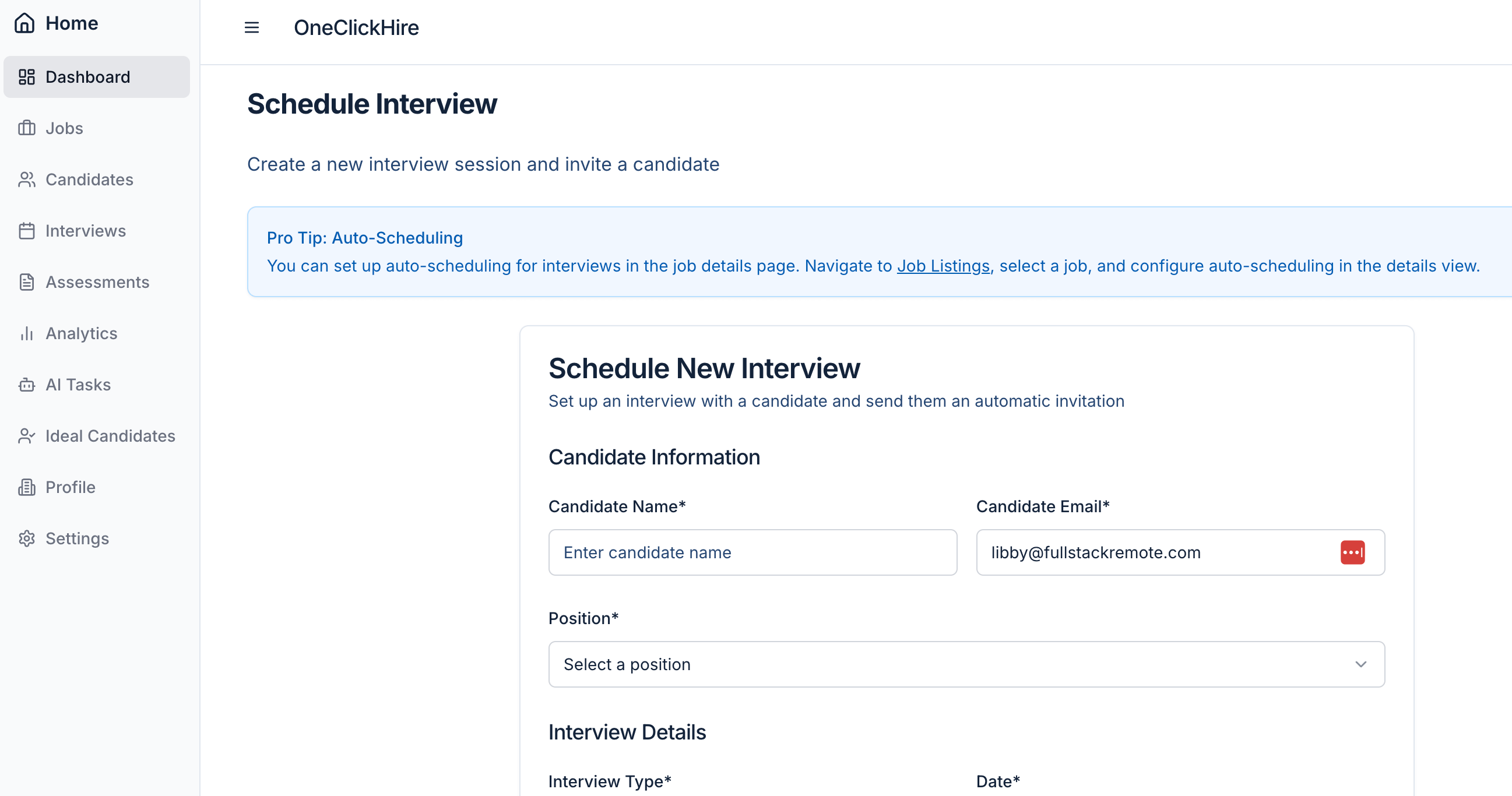
AI recruiting refers to integrating artificial intelligence technologies into recruitment processes to analyze candidate data, automate repetitive tasks, and help recruiters make more objective, efficient hiring decisions. Rather than replacing human recruiters, AI recruiting acts as an intelligent assistant that handles time-consuming administrative work.
Key Functions of AI Recruiting:

- Resume screening using natural language processing (NLP) to identify qualified candidates
- Chatbots that engage, qualify, and communicate with candidates 24/7
- Predictive analytics to identify top candidates and forecast job performance
- Automated interview scheduling that coordinates calendars without back-and-forth emails
- Bias detection algorithms to promote fair hiring practices
- Candidate sourcing across multiple platforms and databases simultaneously
According to LinkedIn's Global Talent Trends report, 76% of recruiters believe AI will have a major impact on talent acquisition, with adoption rates climbing 35% year-over-year among small and mid-sized businesses.
How Does AI Recruiting Work?
AI recruiting systems use machine learning algorithms trained on large datasets to analyze and predict the suitability of job candidates. These systems learn from historical hiring data, successful employee profiles, and role-specific requirements to continuously improve their recommendations.
1. Automated Job Posting and Sourcing
AI recruiting platforms distribute job postings to multiple channels—including job boards, social media, and niche industry sites—while simultaneously sourcing passive candidates through databases like LinkedIn, GitHub, and professional networks.
2. Resume Screening and Parsing
Instead of manually reviewing resumes, AI systems scan CVs and applications for keywords, experience levels, skills, education, and qualifications relevant to the job description. Advanced NLP algorithms understand context, synonyms, and related competencies.
- Tools like HireVue and Pymetrics use AI to analyze behavioral and personality traits from video interviews and cognitive assessments.
- Applicant tracking systems (ATS) with AI capabilities automatically parse resume data into structured candidate profiles.
3. Candidate Scoring and Ranking
AI algorithms score candidates based on how closely their background matches job requirements, comparing them against previous hiring data, successful employee profiles, and even predicted culture fit. This creates a ranked list of top candidates for recruiter review.
4. Interview Chatbots and Communication
Virtual recruiting assistants interact with candidates to ask preliminary screening questions, check availability, answer FAQs about company benefits, and schedule interviews—saving recruiters an average of 12 hours per week on administrative tasks.
5. Predictive Analytics and Hiring Intelligence
AI recruiting software uses historical data to predict a candidate's future job performance, likely tenure, retention rate, and probability of accepting an offer. This data-driven approach reduces costly mis-hires and improves long-term hiring outcomes.
What Is AI Interview Scheduling and How Does It Work?
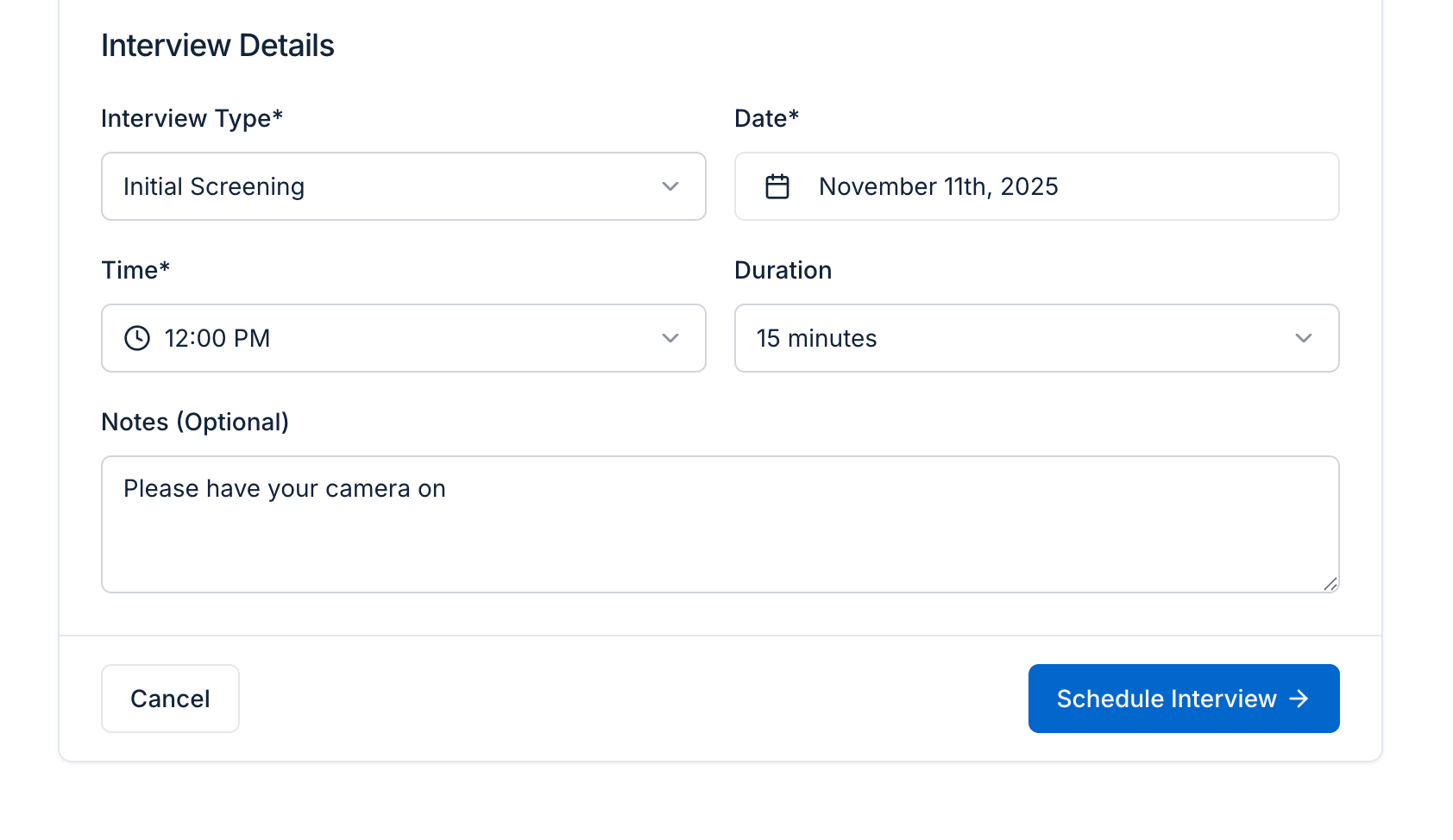
AI interview scheduling is a specialized subset of AI recruiting that automates the entire interview coordination process. These intelligent systems integrate with calendar applications, communicate with candidates, and book interview slots without human intervention.
How AI Interview Scheduling Functions:
Step 1: Calendar Integration
AI scheduling tools connect to Google Calendar, Outlook, or other calendar platforms to identify recruiter and hiring manager availability in real-time.
Step 2: Candidate Communication
The system automatically emails or texts candidates with available time slots, allowing them to self-schedule based on their preferences.
Step 3: Intelligent Coordination
Advanced AI scheduling considers multiple factors: time zones, interview panel availability, room booking, video conferencing links, buffer times between meetings, and candidate preferences.
Step 4: Automatic Reminders
The system sends confirmation emails and reminder notifications to all participants, reducing no-show rates by up to 40%.
Step 5: Rescheduling Management When conflicts arise or candidates need to reschedule, the AI system automatically proposes alternative time slots based on updated availability across all participants. The platform intelligently handles cancellations by immediately notifying affected parties, suggesting new meeting times that accommodate everyone's constraints, and updating all connected calendars without requiring manual coordination. This automated rescheduling capability eliminates the typical 5-7 email exchanges needed for manual coordination, ensuring interview processes stay on track even when unexpected changes occur.
Ready to Transform Your Hiring Process?
Join thousands using AI-powered recruitment to find top talent