Best AI hiring software for small businesses
Discover how AI is used in recruiting to automate screening, reduce time-to-hire by 75%, and improve candidate quality. Complete 2025 guide for small businesses.
TL;DR: AI is used in recruiting to automate candidate screening, improve assessments, and reduce time-to-hire by 75% while eliminating biases. This guide covers AI-powered ATS systems, resume parsing, automated interviews, predictive analytics, and practical implementation strategies for businesses of all sizes.
How AI Is Used in Recruiting: Complete Guide for Small Businesses in 2025
AI is used in recruiting to automate candidate screening, improve assessment accuracy, reduce time-to-hire, and eliminate hiring biases. Specifically, AI-powered applicant tracking systems (ATS), resume parsing tools, automated interview platforms, and predictive analytics enable recruiters to process thousands of applications 75% faster while improving candidate quality. With the global recruiting software market projected to reach $3.85 billion by 2028 and 67% of hiring managers reporting that AI has made recruiting easier, understanding how AI transforms talent acquisition is essential for competitive hiring in 2025.
In this comprehensive guide, we'll explore exactly how AI is used in recruiting across every stage of the hiring process, from initial sourcing to final selection. You'll discover the best AI recruiting tools for small businesses, learn how to integrate these solutions with existing workflows, understand pricing and ROI expectations, and navigate critical compliance considerations. Whether you're a Fortune 500 company or a 10-person startup, this deep dive provides actionable insights to transform your hiring process with artificial intelligence.
How AI Is Changing the Hiring Process
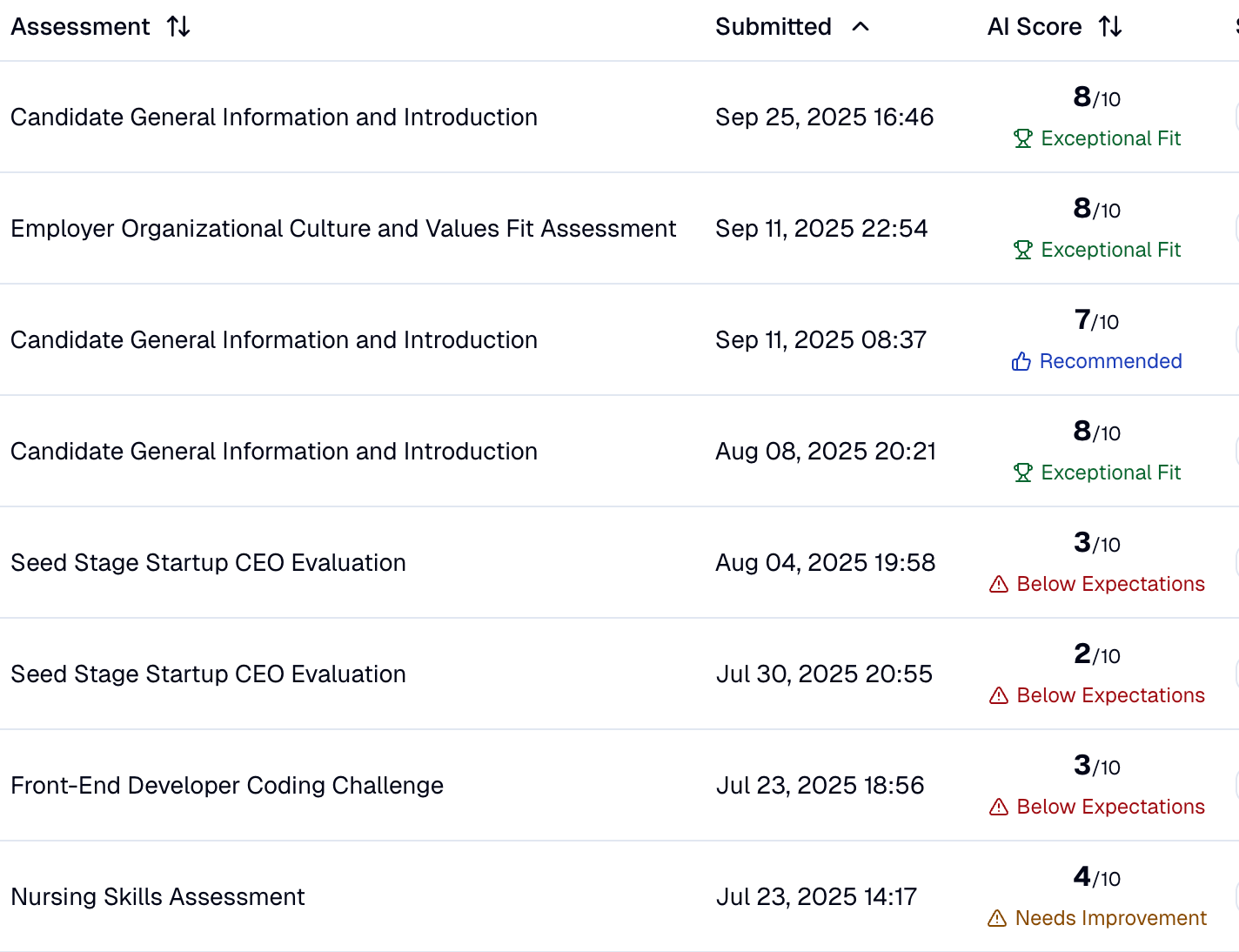
AI is fundamentally shifting the recruitment landscape by enabling automation, personalization, and data-driven decisions. Modern AI recruiting solutions leverage machine learning, natural language processing, and predictive analytics to transform how companies identify, evaluate, and hire talent.
1. Resume Screening and Filtering

AI automates resume review by parsing thousands of applications quickly and accurately, eliminating the manual bottleneck that traditionally consumed 23 hours per hire:
- Natural Language Processing (NLP): Identifies relevant skills, experience, and qualifications beyond simple keyword matches
- Semantic Analysis Algorithms: Understand context and meaning to match candidates with job requirements
- Intelligent Candidate Ranking: AI ranks applicants based on job fit, skills alignment, and success predictors
This reduces time-to-screen by up to 75% and helps recruiters focus exclusively on top-tier candidates. Tools like SeekOut and Eightfold.ai use machine learning models trained on millions of successful hires to identify patterns that predict job performance.
2. Chatbots for Candidate Engagement

AI-powered chatbots like Paradox's Olivia and Mya Systems answer candidate queries, schedule interviews, and provide application updates in real time. These conversational AI assistants deliver:
- 24/7 availability for global candidate pools across time zones
- Personalized communication tailored to candidate profiles and stage
- Improved candidate experience with response times under 60 seconds
- Administrative automation handling scheduling, reminders, and follow-ups
Research shows that 58% of candidates prefer engaging with AI chatbots for initial screening questions, appreciating the immediate responses and judgment-free environment.
3. Automated Interviewing Tools
Platforms like HireVue and Pymetrics use AI to evaluate video interviews or gamified assessments, analyzing multiple data points simultaneously:
- Facial expressions and micro-expressions indicating emotional intelligence
- Voice tone, cadence, and confidence markers
- Word choice, language structure, and communication patterns
- Response timing and cognitive processing indicators
These tools help assess soft skills, cultural fit, and personality traits objectively, removing the variability inherent in human interviewing. However, it's critical to ensure these systems are regularly audited for bias and used alongside human evaluation.
4. Predictive Analytics for Hiring Decisions
AI forecasts candidate success based on historical performance data and workforce analytics:
- Job performance prediction using skills matching and competency modeling
- Attrition risk estimation identifying flight-risk candidates
- Culture-fit scoring based on values alignment and team dynamics
- Career trajectory mapping for internal mobility and succession planning
This data-driven approach increases the likelihood of successful long-term hires by 36% and reduces turnover costs significantly. [LINK: predictive-analytics-in-hr]
5. Intelligent Talent Sourcing
AI-powered sourcing tools scan millions of profiles across professional networks, databases, and passive candidate pools:
- Boolean search automation that learns and refines search parameters
- Talent rediscovery matching previous applicants to new suitable roles
- Diversity sourcing with DEI filters ensuring representative candidate pools
- Competitive intelligence tracking talent movement across industries
Platforms like LinkedIn Recruiter and SeekOut use AI to surface candidates who wouldn't appear in traditional searches, expanding talent pools by 40-60%.
Ready to Transform Your Hiring Process?
Join thousands using AI-powered recruitment to find top talent